
Affiliate disclosure: As an Amazon Associate, I earn from qualifying purchases.
The best modem-router combo for Cox depends on your plan: choose the ARRIS SURFboard G54 for Cox 2 Gig and Wi-Fi 7, the G36 or Motorola MG8725 for a lower-cost 2 Gig-capable gateway, or the NETGEAR CAX80/CAX30 and ARRIS G34 for Cox plans up to 1 Gig. Check Cox’s certified-device table for your exact tier before buying.
Important compatibility note: Cox separates certified equipment by plan tier. A gateway can be compatible with Cox yet still be limited to a lower service tier. Cox also says customer-owned equipment receives limited device support, does not include Panoramic Wifi features, and remains the owner’s responsibility to secure and upgrade.
Quick picks: which Cox modem-router combo should you buy?
| ARRIS SURFboard G54 — Wi-Fi 7, BE18000 | 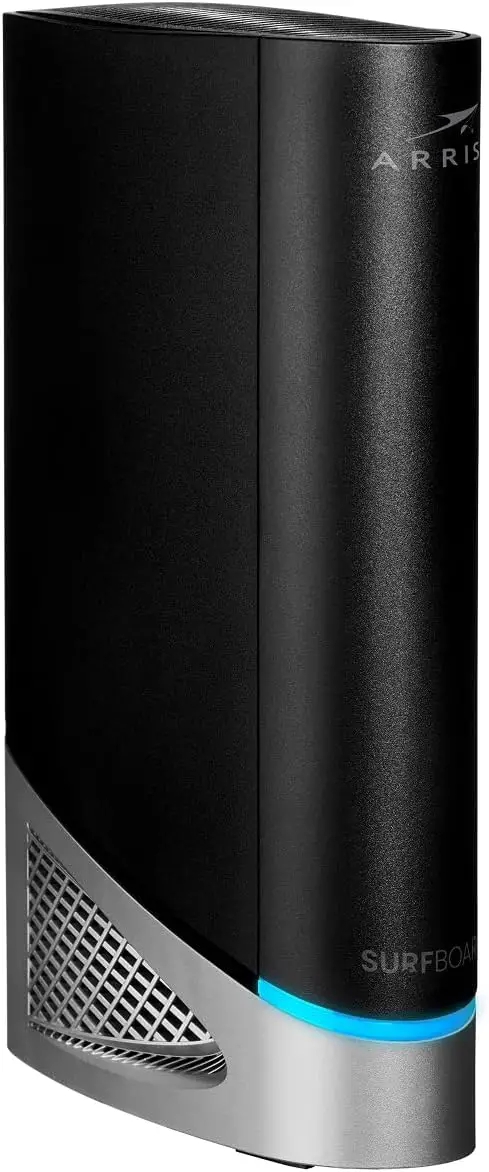 | Best for Cox 2 Gig and Wi-Fi 7 | WAN Port: 10 Gigabit Ethernet | WiFi Speed: BE18000 Quad-Band | Cox Tier: 2 Gig or lower | VIEW LATEST PRICE | Read Our Analysis |
| ARRIS SURFboard G36 — Wi-Fi 6, AX3000 | 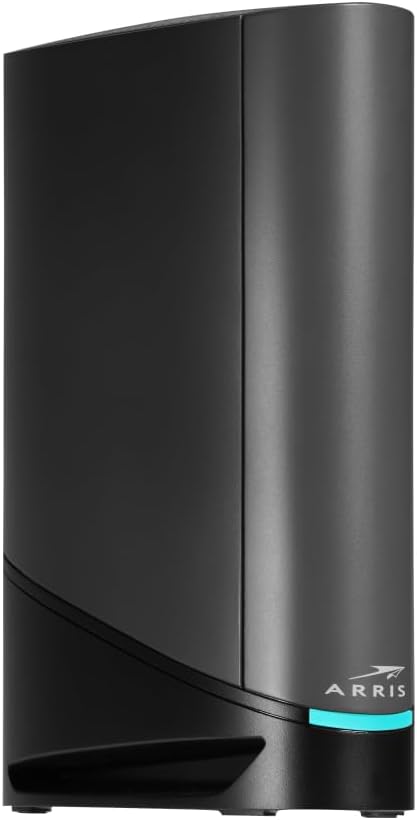 | Best value for Cox 2 Gig | WAN Port: 2.5 Gigabit | WiFi Speed: AX3000 Wi-Fi 6 | Cox Tier: 2 Gig or lower | VIEW LATEST PRICE | Read Our Analysis |
| Motorola MG8725 — Wi-Fi 6, AX6000 | 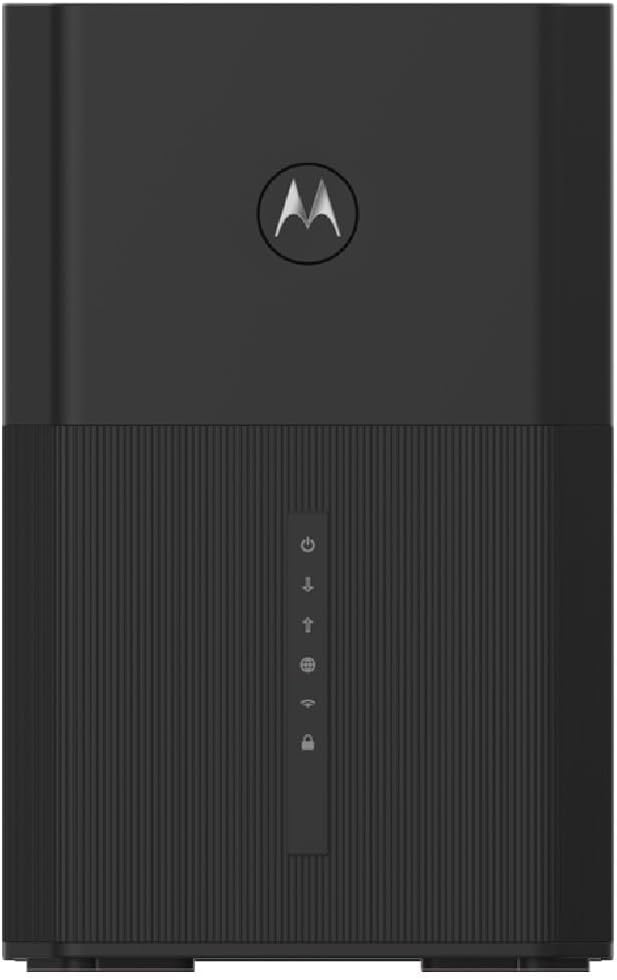 | Alternative multi-gig gateway | WAN Port: 2.5 Gbps LAN4 | WiFi Speed: AX6000 Wi-Fi 6 | Cox Tier: 2 Gig or lower | VIEW LATEST PRICE | Read Our Analysis |
| NETGEAR Nighthawk CAX80 — Wi-Fi 6, AX6000 | 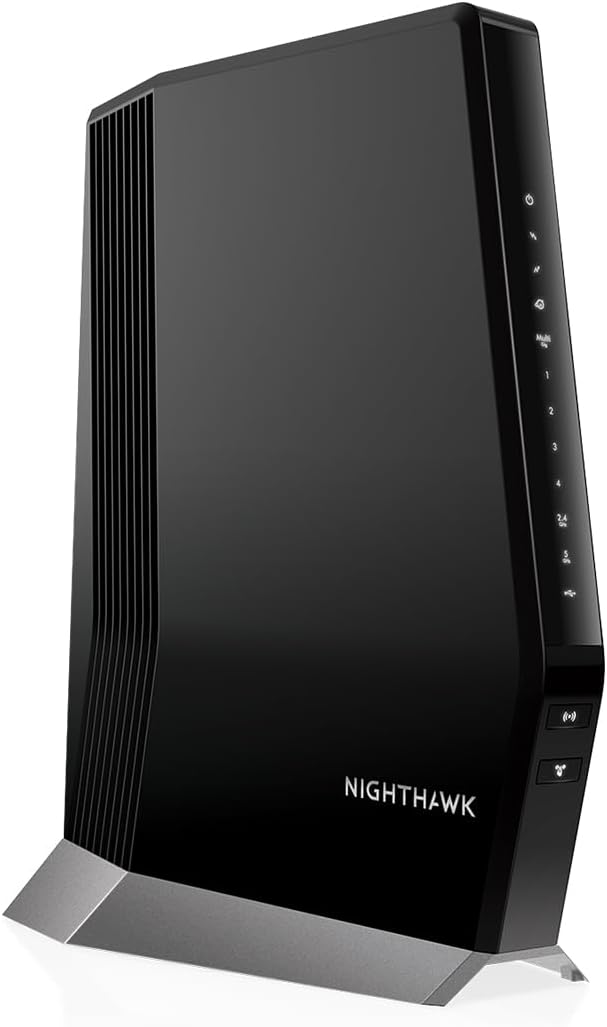 | Best for busy Cox 1 Gig homes | WAN Port: 2.5 Gigabit | WiFi Speed: AX6000 Wi-Fi 6 | Cox Tier: 1 Gig or lower | VIEW LATEST PRICE | Read Our Analysis |
| NETGEAR Nighthawk CAX30 — Wi-Fi 6, AX2700 | 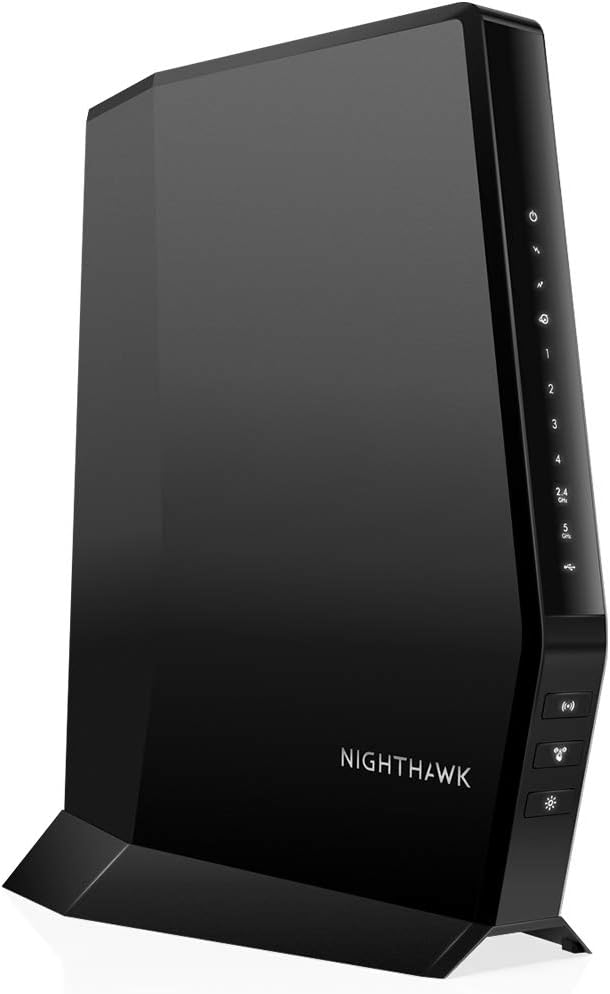 | Best compact Cox 1 Gig pick | Ports: Four 1 Gigabit | WiFi Speed: AX2700 Wi-Fi 6 | Cox Tier: 1 Gig or lower | VIEW LATEST PRICE | Read Our Analysis |
| ARRIS SURFboard G34 — Wi-Fi 6, AX3000 | 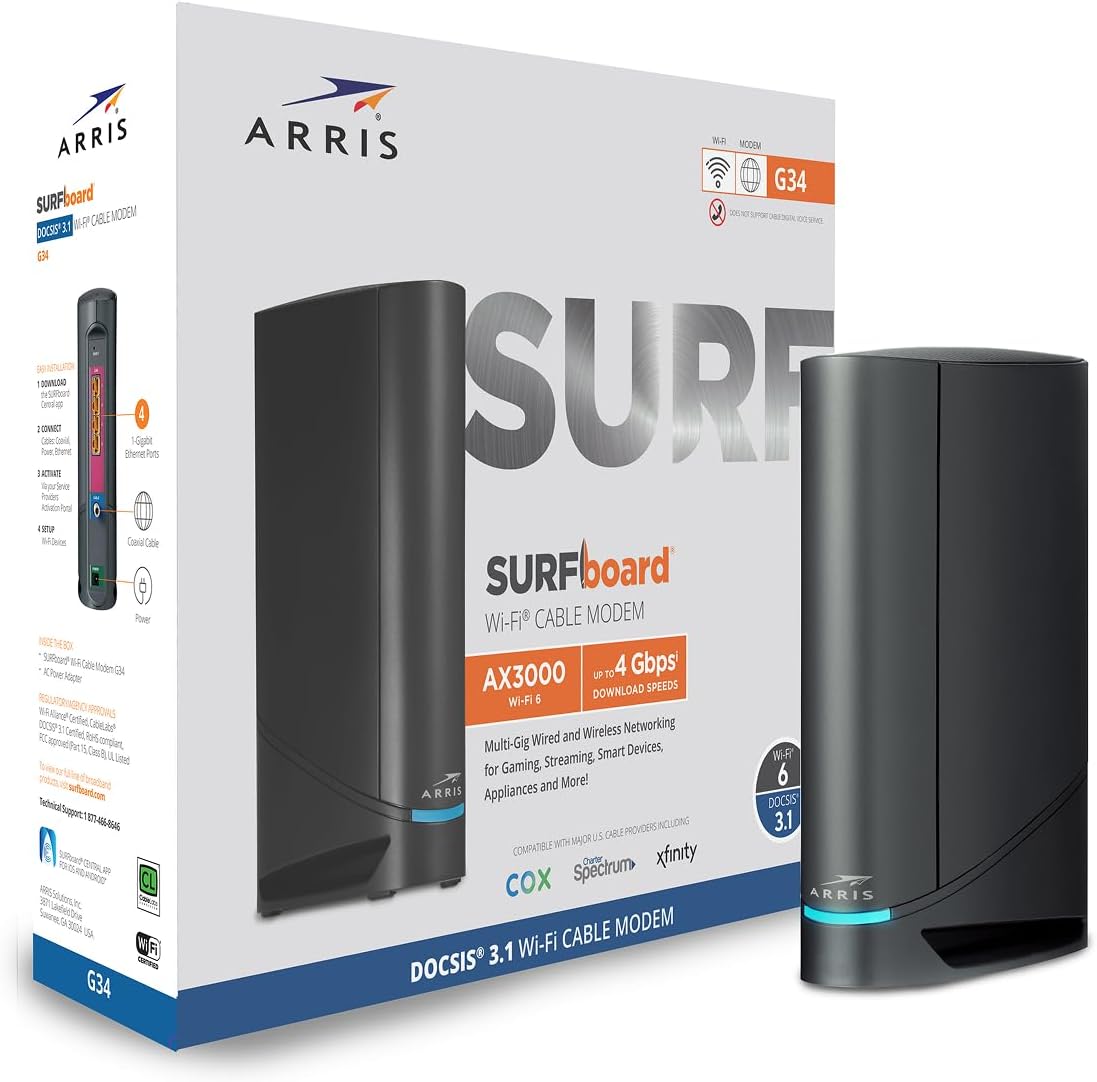 | Best simple Cox 1 Gig value | Ports: Four 1 Gigabit | WiFi Speed: AX3000 Wi-Fi 6 | Cox Tier: 1 Gig or lower | VIEW LATEST PRICE | Read Our Analysis |
Cox’s list is the deciding source for service compatibility. Manufacturer speed and Wi-Fi labels describe hardware capability, not a promise that every Cox location or plan will deliver that rate. Availability, upload speed and supported tiers can vary by address and network upgrades.
How these Cox-compatible gateways were selected
This shortlist was built on September 19, 2026 by comparing the current Cox certified cable-modem table with manufacturer specifications and current retail destinations. Each pick must appear in Cox’s list with integrated Wi-Fi, use DOCSIS 3.1, and have a clear role for either the 2 Gig or 1 Gig tier.
I did not run a controlled wireless benchmark on these six units, so this page does not claim laboratory testing. Recommendations are based on documented compatibility, interfaces, Wi-Fi generation, plan fit, upgrade limits and the practical trade-off between an all-in-one gateway and separate modem/router hardware.
1. ARRIS SURFboard G54: best Cox 2 Gig modem-router combo
The ARRIS G54 is the strongest all-in-one choice when the goal is to pair Cox 2 Gig service with modern Wi-Fi 7. Cox lists the G54 as an integrated-Wi-Fi DOCSIS 3.1 gateway for the 2 Gig-or-lower group. ARRIS specifies BE18000 Wi-Fi 7, one 10 Gigabit Ethernet port and four 1 Gigabit ports, giving wired multi-gig devices a path that older gateways cannot provide.
This is the pick for a large, device-heavy home that wants one box and has Wi-Fi 7 or multi-gig wired clients. It is not automatically the best value for a 300 or 500 Mbps plan, and it does not support cable voice. ARRIS publishes coverage figures as an estimate; walls, interference and device capability still control real performance. See the official G54 specifications before deciding.
2. ARRIS SURFboard G36: best Wi-Fi 6 value for Cox 2 Gig
The ARRIS G36 is a better fit when 2 Gig certification and a 2.5 Gigabit wired port matter more than Wi-Fi 7. Cox places it in the same 2 Gig-or-lower certified group as the G54. ARRIS lists DOCSIS 3.1, AX3000 Wi-Fi 6, one 2.5 Gigabit Ethernet port and four 1 Gigabit ports.
Choose it for a Cox multi-gig or gigabit plan when current phones and laptops are primarily Wi-Fi 6 devices. The G36 avoids paying for Wi-Fi 7 before it is needed, while keeping a multi-gig wired path for one high-speed device or switch. Like other retail gateways, it does not include Cox Panoramic Wifi support benefits, and it has no cable-voice capability. Its router and modem are tied together, so a future Wi-Fi upgrade means replacing or bypassing more hardware than with separate devices.
3. Motorola MG8725: best alternative multi-gig Cox gateway
The Motorola MG8725 is Cox’s other retail gateway in the 2 Gig-or-lower section of the current certification table. It combines a DOCSIS 3.1 modem and Wi-Fi router, making it an alternative for readers who prefer Motorola’s interface and support ecosystem over ARRIS.
Its strongest reason to be here is verified Cox tier placement, not a marketing speed printed on a box. Confirm the exact model number because similarly named Motorola gateways can have different cable-voice, port and plan limits. Cox does not provide full device troubleshooting for customer-owned gateways, so review Motorola’s MG8725 setup resources and make sure the available management app fits your household before buying.
4. NETGEAR Nighthawk CAX80: best high-capacity Cox 1 Gig combo
The NETGEAR CAX80 is the best choice in this list for a busy Cox 1 Gig household that needs stronger local Wi-Fi capacity and wired options. Cox lists it as an integrated-Wi-Fi DOCSIS 3.1 gateway in the 1 Gig-or-lower group. NETGEAR specifies AX6000 dual-band Wi-Fi 6, a 2.5 Gigabit Ethernet port, four 1 Gigabit ports and USB storage support.
The hardware label can suggest more headroom than Cox currently assigns to the device, so follow the provider’s tier table rather than assuming its 2.5 Gigabit port makes it a Cox 2 Gig gateway. It also does not support bundled cable voice. NETGEAR Armor includes subscription terms after its trial, which should be considered separately from basic routing security. NETGEAR’s CAX80 data sheet documents these limits.
5. NETGEAR Nighthawk CAX30: best Cox 1 Gig option for smaller homes
The CAX30 is the more restrained NETGEAR choice for Cox plans up to 1 Gig. It appears in Cox’s integrated-Wi-Fi DOCSIS 3.1 table and uses AX2700 Wi-Fi 6. That makes it suitable for a smaller home with ordinary streaming, work and gaming needs that does not require the CAX80’s higher Wi-Fi class or extra wired headroom.
Buy it for plan fit and simplicity, not because its advertised wireless rate equals internet throughput. Building materials, channel congestion and client capability can reduce real Wi-Fi speed. NETGEAR identifies Cox as both compatible and certified for the CAX30, but Cox remains the authority for the service tier at a particular address. If a future router upgrade or advanced VLAN/firewall design is likely, a separate modem and router will usually age better than this all-in-one unit.
6. ARRIS SURFboard G34: best simple Cox 1 Gig value
The ARRIS G34 is the straightforward Cox 1 Gig recommendation. Cox certifies it for the 1 Gig-or-lower group, and ARRIS lists a DOCSIS 3.1 modem, AX3000 Wi-Fi 6 and four 1 Gigabit Ethernet ports. It offers the same basic Wi-Fi class as the G36 without the G36’s 2.5 Gigabit port or Cox 2 Gig placement.
That limitation is also what makes the choice easy: use the G34 for a Cox plan at or below 1 Gig when no multi-gig wired device is expected. It is not suitable for cable voice and should not be purchased as a future Cox 2 Gig path. ARRIS groups the G34 with its current Wi-Fi 6 gateways, and Cox independently lists the exact model, providing stronger compatibility evidence than a retailer’s generic “works with Cox” label.
Should you use a modem-router combo or separate devices with Cox?
A modem-router combo saves space and gives most households one app, one power supply and one device to configure. Separate hardware is usually better for larger homes, advanced networks and people who upgrade Wi-Fi more often than the cable modem. If the router becomes obsolete in a combo, replacing only the Wi-Fi portion is less straightforward.
Cox’s own customer-owned equipment guidance says a standalone modem needs a separate router and recommends at least Wi-Fi 6 for faster plans. For a deeper decision, compare the maintenance and upgrade trade-offs in the modem-router combo versus separate devices guide.
What should you verify before buying a Cox gateway?
- Exact Cox tier: match the model to the current Cox certification table and your address.
- Coax versus fiber: DOCSIS gateways are for Cox cable service, not a fiber ONT connection.
- Voice service: none of the six recommendations should be assumed to support Cox Voice.
- Ports: a multi-gig plan needs suitable WAN/LAN ports and a compatible client to exceed 1 Gbps on one device.
- Support model: Cox limits troubleshooting for customer-owned hardware; check the manufacturer’s support and warranty.
- Activation: keep the gateway’s model, serial number and cable MAC available for account activation.
Common Cox modem-router questions
Can I use my own modem-router combo with Cox?
Yes. Cox allows customer-owned cable modems and integrated gateways when the exact model is certified for the customer’s service tier. The owner is responsible for purchasing, securing, updating and troubleshooting the retail device. Cox Panoramic Wifi app features and Cox-provided upgrade benefits do not transfer to ordinary retail hardware.
Which modem-router combo works with Cox 2 Gig?
Cox currently lists the ARRIS G54, ARRIS G36 and Motorola MG8725 as integrated-Wi-Fi DOCSIS 3.1 gateways for the 2 Gig-or-lower group. The G54 adds Wi-Fi 7 and a 10 Gigabit port; the G36 uses Wi-Fi 6 with a 2.5 Gigabit port. Always recheck Cox’s list before purchase because certification and address-level availability can change.
Will buying a Cox-compatible gateway remove the equipment fee?
Customer-owned equipment can replace a rented Cox gateway, but the exact monthly charge and account change must be confirmed with Cox. Do not calculate savings from an old article or retailer listing because equipment prices, promotions and Cox fees can change. Compare the current fee with the purchase cost and expected replacement cycle.
Who updates firmware on a customer-owned Cox gateway?
Cable firmware is often distributed through the provider, while router firmware behavior depends on the manufacturer and model. For example, NETGEAR documents separate router and cable firmware on CAX-series gateways. Check the vendor’s instructions, enable supported security updates and replace hardware that no longer receives fixes.
Final recommendation
Choose the ARRIS G54 when Cox 2 Gig, Wi-Fi 7 and a 10 Gigabit wired port justify the premium. Choose the G36 for 2 Gig certification with Wi-Fi 6, or the Motorola MG8725 as the alternative multi-gig gateway. For Cox plans up to 1 Gig, the CAX80 offers the most local-network headroom, while the CAX30 and G34 are simpler choices.
The most important step is not the ranking number—it is matching the exact model to Cox’s current table, the service type at the address, required Ethernet ports and the home’s coverage needs. If those requirements are uncertain, choose a certified standalone DOCSIS 3.1 modem and a separate router instead of locking both upgrade cycles into one box.

- Best WiFi 7 Mesh Systems (2026) — Tested & Ranked for Multi-Gig Homes - April 28, 2026
- Best Routers for Verizon FiOS (2026) — WiFi 7 & Mesh Picks Tested - April 13, 2026
- Best 2.5GbE Switches for Home Lab (2026) — Tested & Verified - April 8, 2026