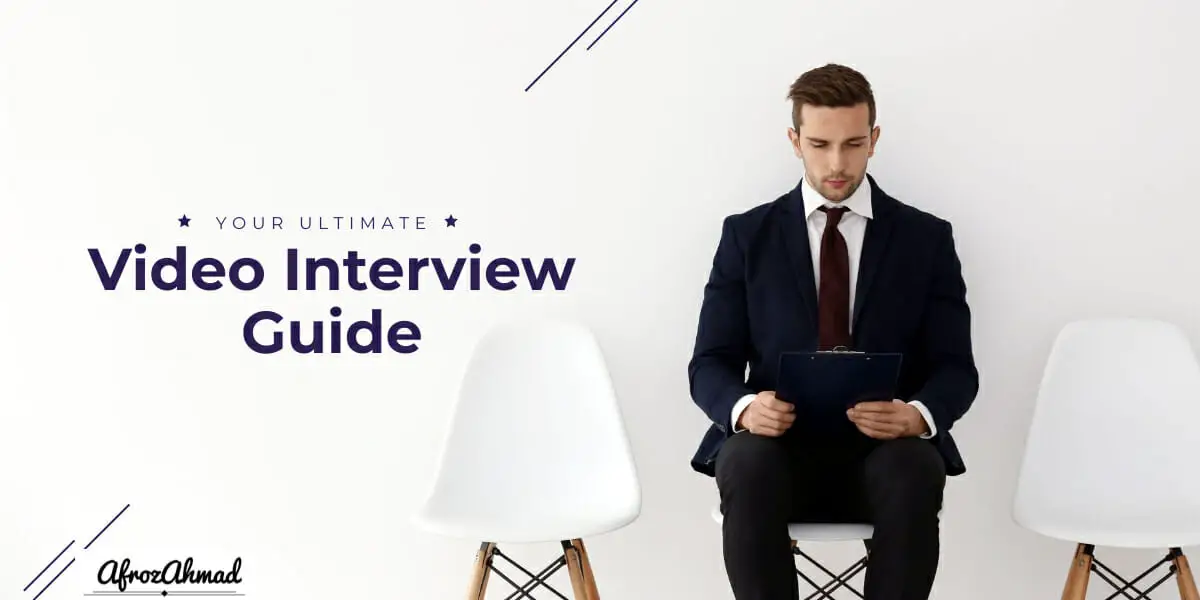
In the current job market, acing a video interview is crucial. With remote work on the rise, companies are swiftly shifting to digital hiring practices. These tips for video interviews will be the focus of our discussion, ensuring you impress potential employers from behind the screen. Expect to learn how to set up your space, master the technology, and understand the essential do’s and don’ts that could land you your next job offer.
Key Takeaways
- Mastering video interviews is essential in today’s job market, especially with the rise of remote work and digital hiring practices.
- Preparing your interview space, testing your technology, and knowing the do’s and don’ts are key to success.
- Deciding on your attire and ensuring a professional appearance in advance reduces stress on interview day.
- A professional, minimalist background and proper lighting are crucial for your visual presentation.
- Thoroughly test your internet connection, webcam, and audio to ensure a smooth, glitch-free interview.
- To simulate in-person eye contact, look directly into your webcam’s lens when you are speaking.
- Prepare for both common behavioral questions and role-specific technical questions to gain a competitive edge.
- Start the interview with a “digital handshake” (a smile and a nod) to set a positive and confident tone.
- Always send a follow-up thank-you email to demonstrate your continued interest and professionalism.
What is a Video Job Interview?
A video job interview is a remote interview conducted using video conferencing software like Zoom, Microsoft Teams, or Google Meet, allowing candidates and interviewers to connect face-to-face virtually. This format is convenient, cost-effective for employers, and has become a standard part of the hiring process for many companies.
Advantages and Disadvantages of Video Interviews
The most significant advantage is convenience. A traditional in-person interview requires travel and time away from home for both the interviewer and the job seeker. A video interview is much cheaper and easier to conduct from the comfort of your own home. It’s also a great option for employers when there are many applicants and they need to screen candidates efficiently.
In contrast, the main disadvantage is the lack of true face-to-face interaction. This can sometimes make it harder to build rapport and for both parties to read subtle social cues. When we communicate through a screen, we can miss some of the nonverbal signals we rely on in person—like subtle shifts in body language or small murmurs of agreement. This makes it even more important to be conscious of how you present yourself on camera.
How to Prepare for a Video Interview
Get Formal Training
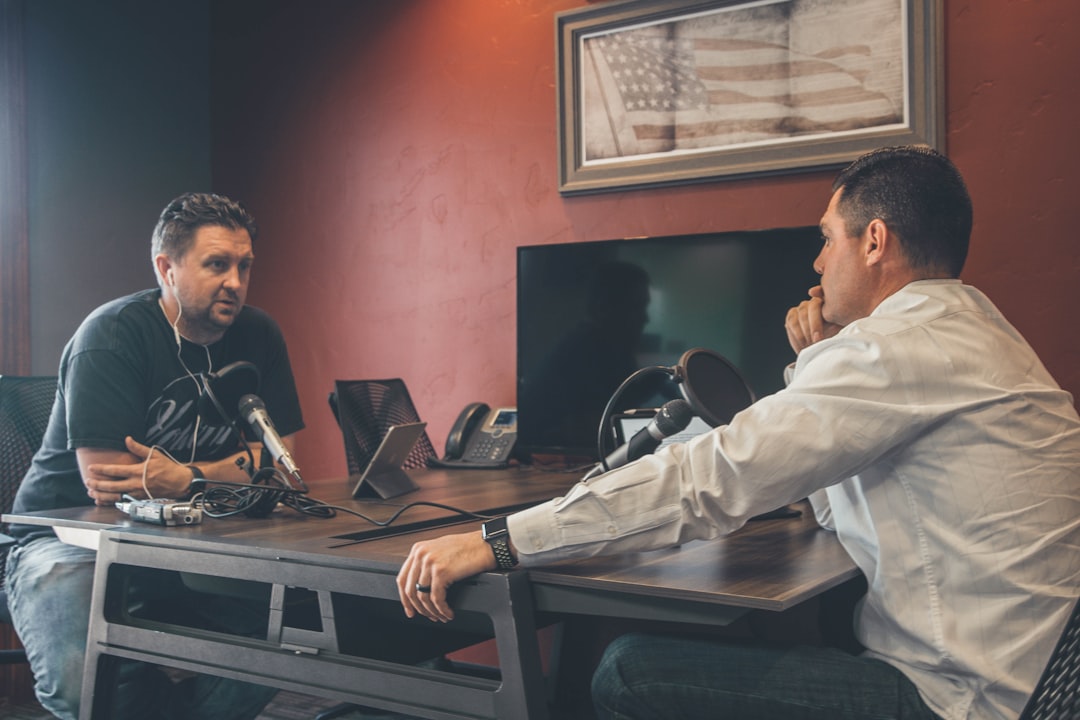
Put in the time to learn formally. If you believe you need additional assistance, consider consulting with a job coach. For students, the career development office at your university is an excellent resource that may provide mock interviews and further assistance.
Rehearse Thoroughly
Do a trial run of your entire setup. Have a friend or family member do a video chat with you to get feedback on how you look and sound on camera. Do you seem nervous or fidgety? The more you practice, the more comfortable and relaxed you will appear on the day.
Decide on Your Attire in Advance
Planning your outfit ahead of time eliminates last-minute stress and helps you feel more prepared. Choose something comfortable that you would normally wear to an in-person interview. A button-down shirt or blouse is a simple and classic choice.
Ensure your appearance is clean and neat—shower and shave if necessary. It’s best to stay away from bold, distracting patterns. Solid, light colors like light blue or light gray are often a safe bet, as long as they don’t blend into your background. For example, avoid wearing a white shirt if you’re sitting in front of a white wall.
Tips for a Professional Video Interview Background
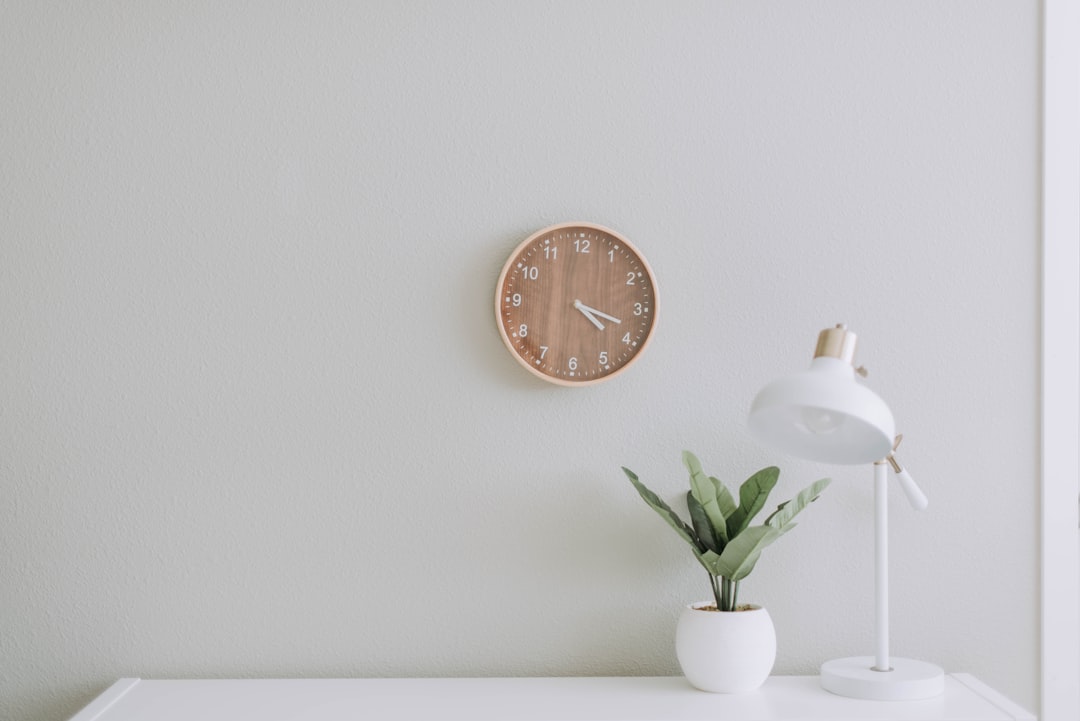
Create a professional, minimalist backdrop for your interview. A tidy room with a neutral wall, a bookcase, or a plant can create a setting that is both professional and calming. Clear away any clutter and avoid sitting near a scuffed or busy wall.
If a clean, professional background isn’t possible, a simple virtual background can be an alternative. However, many employers prefer an authentic, real-life background as it appears more transparent. If you use a virtual background, choose a simple, non-distracting office setting.
Set Up the Proper Lighting
The best lighting is natural light. Try to sit facing a window. If your room lacks natural light or it’s dark outside, use a good light source like a desk lamp or ring light positioned in front of you, rather than relying on a single overhead room light which can cast harsh shadows.
Watch Your Body Language
Positive body language is key. Sit up straight, maintain good posture, and try to appear engaged and confident. Avoid crossing your arms, fidgeting with your clothing, or tapping your foot, as these actions can make you look nervous or unprofessional. Remember to smile and maintain a positive attitude.
Test Your Tech Thoroughly
Technical glitches can derail an otherwise great interview. Test your internet connection to ensure it’s stable enough for a video call. Check your webcam and microphone to confirm they are working correctly. Do a test call with a friend and ask them for feedback on your video and audio quality. Can they hear you clearly? Can you hear them?
A quick tip: Ask the interviewer in advance which video conference platform (e.g., Zoom, Microsoft Teams, Google Meet) they will be using. Install the software on your device beforehand and familiarize yourself with its basic functions.
Prepare for One-Way (Asynchronous) Interviews
Some companies use one-way video interviews as an initial screening step. In this format, you record your answers to pre-set questions without a live interviewer. Be mindful of the time limit for each answer and practice speaking concisely. Unlike a live interview, you typically can’t re-record, so treat each take as the real thing.
Prepare for Behavioural Interview Questions in Advance
Have examples ready for common behavioral questions that ask you to describe past experiences. Think of situations where you demonstrated teamwork, problem-solving, leadership, and how you handled challenges. For more examples, see my guide on Behavioural Interview questions and answers.
Prepare for Niche-Specific Questions in Advance
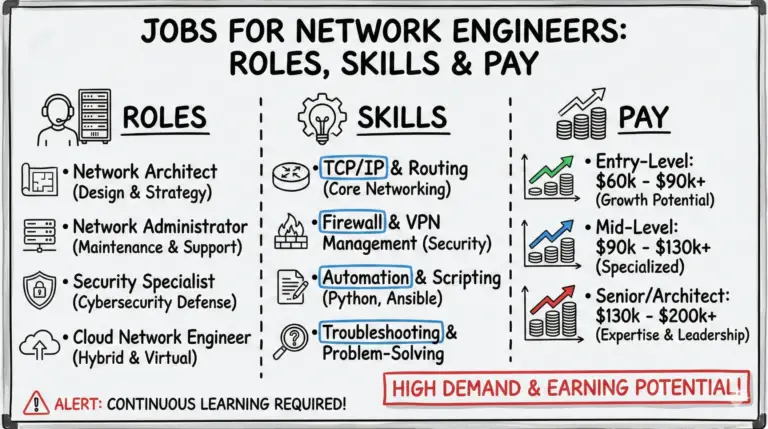
For example, if you are interviewing for a Network role, make sure you prepare for the OSI model, redundancy protocols like HSRP, VRRP, and GLBP, plus routing, switching, and related topics in advance.
Also, study all tips and questions with answers for Network Engineer. I’d also recommend you read about VLANs, VLAN tagged vs untagged, and VLAN Trunking Protocol to build a strong networking foundation.
Video Interview Tips During Your Interview
Start With a “Digital Handshake”
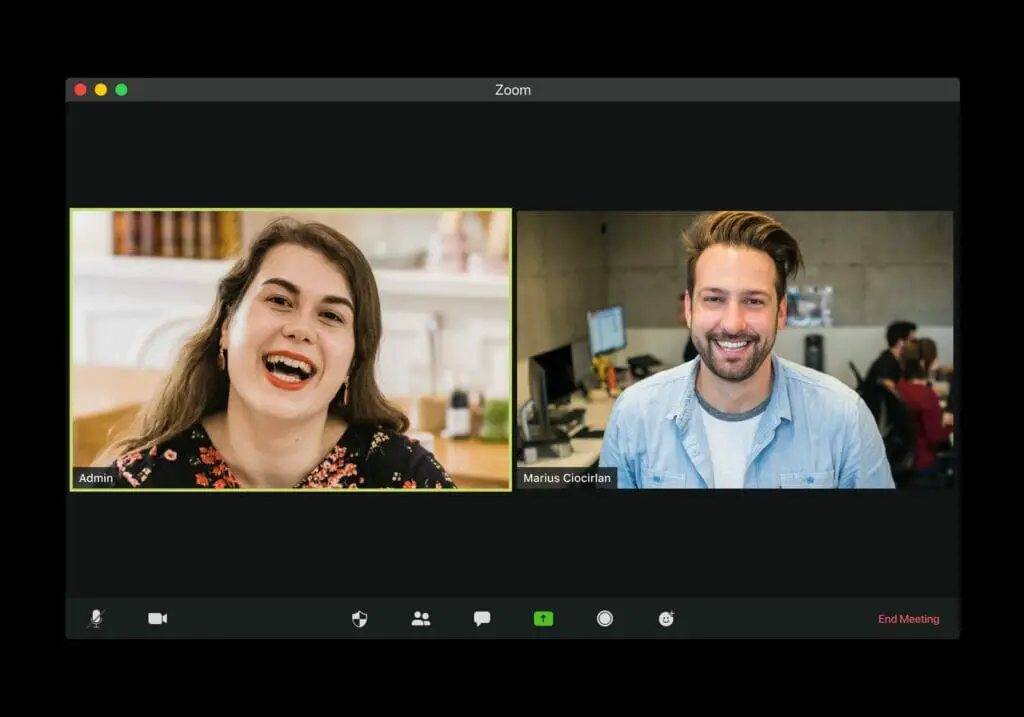
The first thing you should do is establish a non-verbal connection. This gesture is called a “digital handshake”—simply a quick exchange of smiles and nods. It helps put the other person at ease and shows that you are confident and ready to engage.
Give a Heads-Up if Any Technical Glitch Happens
Have a plan in case you run into technical difficulties. You can briefly mention it at the start: “If my connection drops for any reason, I’ll rejoin immediately or call the number you provided.” This shows you are proactive and prepared.
Maintain Good Posture
Sit up straight and avoid slouching or leaning back in your chair. Keep your arms relaxed at your side or gently resting on your desk. Good posture makes you appear more confident and attentive.

Use Your Face to Show You’re Engaged
Since the interviewer can only see your upper half, your facial expressions are incredibly important. Use them to show you are actively listening and genuinely interested. Nod along as they speak and maintain a pleasant, engaged expression.
Make Eye Contact with the Camera
This is one of the most critical skills in a video interview. To create the effect of direct eye contact, look directly into your webcam’s lens when you are speaking. Avoid the common mistake of looking at the interviewer’s image on your screen, which can make it seem like you’re looking down or away. Looking at the camera creates a stronger, more personal connection.
Do Not Interrupt
Video calls can sometimes have a slight delay, making it easy to accidentally talk over someone. Make a conscious effort to let the interviewer finish their thoughts completely before you begin speaking. Pausing for a second after they’re done shows you are a respectful and attentive listener.
Minimize Note-Taking
While it’s okay to have a few key points or questions on a discreet sticky note near your screen, avoid constantly looking down to write extensive notes. It can break the connection and make you seem distracted. Focus on active listening. If you absolutely need to record details, ask for permission to record the session for your personal review.
Close Properly
End the interview on a strong, professional note. Just as you would in person, express your gratitude to the interviewer for their time. Reiterate your interest in the position and ask about the next steps in the hiring process.
Steps to Take After Your Video Interview
Review and Reflect
After the interview, take a few moments to reflect on how it went. If you recorded the session, review it to see what you did well and identify areas for improvement. Jot down the questions you were asked and how you might refine your answers for the future.
Follow Up with the Interviewer
Within 24 hours, send a personalized thank-you email to your interviewer. Thank them for their time, briefly mention something specific you enjoyed discussing, and reiterate your enthusiasm for the role. This simple act shows you are a serious, proactive, and professional candidate.
Conclusion
I hope you found this guide helpful. The tips mentioned above are designed to help you get a jump start on your job search and feel confident in your next video interview. Of course, you should always do your research and put your unique spin on things. Good luck!
Frequently Asked Questions About Video Interviews
How do you stand out in a video interview?
Stand out by mastering both the technical and personal details. Ensure you have a professional background, excellent lighting, and clear audio. Engage actively by smiling, nodding, and making direct eye contact with the camera. Most importantly, show genuine enthusiasm for the role and company, and come prepared with thoughtful questions for the interviewer.
What should you not do in a video interview?
Avoid these common mistakes:
- Sitting in a dark, cluttered, or noisy room.
- Forgetting to test your technology beforehand.
- Looking at yourself on the screen instead of the camera.
- Interrupting the interviewer.
- Slouching, fidgeting, or appearing distracted.
- Forgetting to send a thank-you note.
What are common questions asked in a video interview?
Questions are generally the same as in-person interviews. Be prepared for classics like:
- Tell me about yourself.
- Why are you interested in this role?
- What are your greatest strengths and weaknesses?
- Describe a time you faced a challenge at work and how you handled it.
- Where do you see yourself in five years?