Understanding MTU, Jumbo Frames, and MSS: A Comprehensive Guide
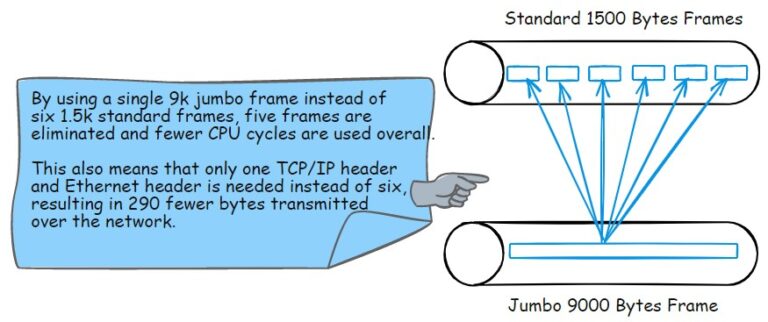
By the end of this article, you should have a clear understanding of MTU, Jumbo Frames, and MSS and how they influence your network's efficiency and performance.

By the end of this article, you should have a clear understanding of MTU, Jumbo Frames, and MSS and how they influence your network's efficiency and performance.
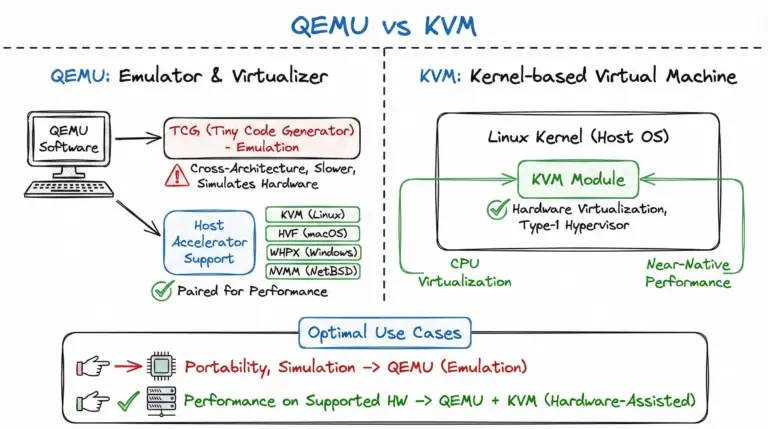
Understand the real differences between QEMU and KVM, how accelerators like KVM, HVF, WHPX, and NVMM change performance, and when to use QEMU alone vs QEMU+KVM.
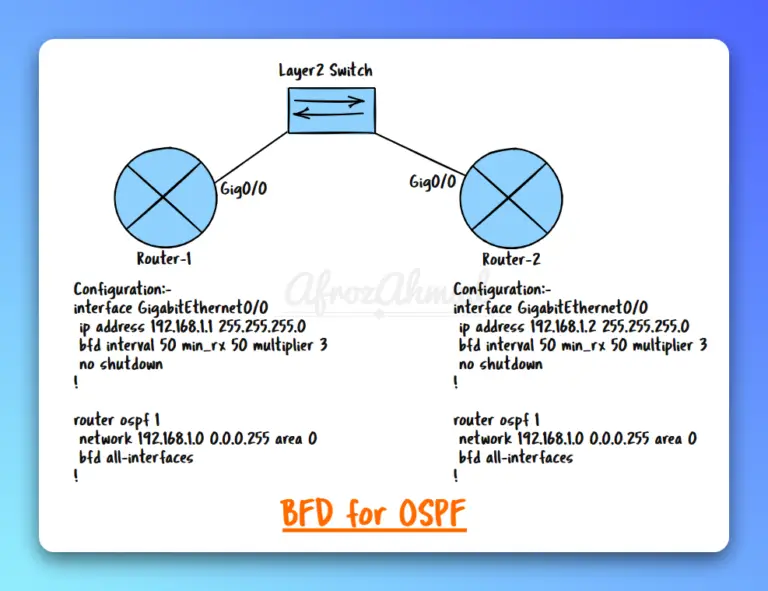
In this article, we will delve into the details of BFD (Bidirectional Forwarding Detection), including how it works, its configuration, use cases, best practices, integration with various networking protocols, and more.
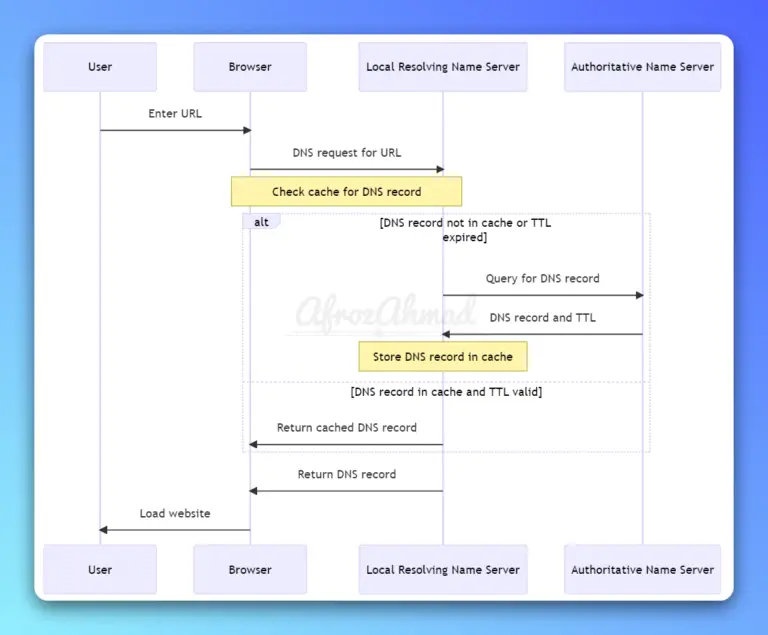
Discover everything you need to know about DNS TTL, including what is TTL in DNS, its purpose, how it works, best practices, troubleshooting, and how to optimize it for your domain.
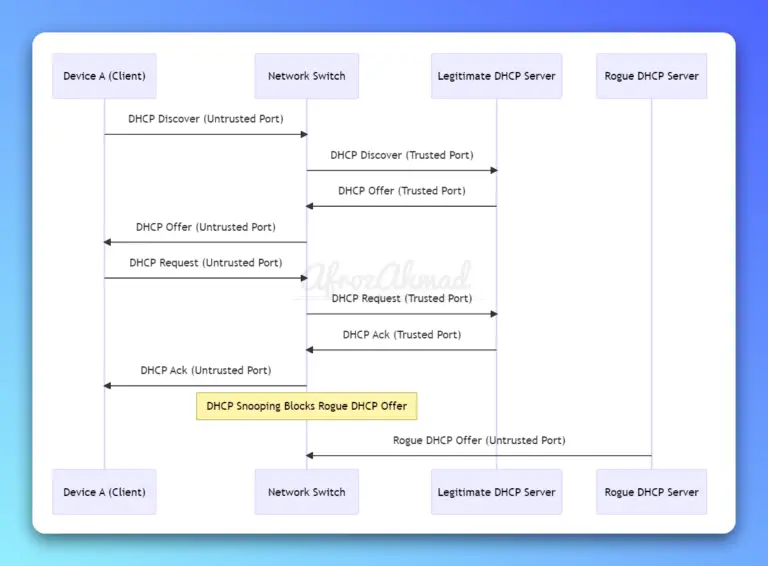
Discover what is DHCP Snooping and its significance in network security. Learn how it prevents DHCP-based attacks and rogue servers in our comprehensive guide.
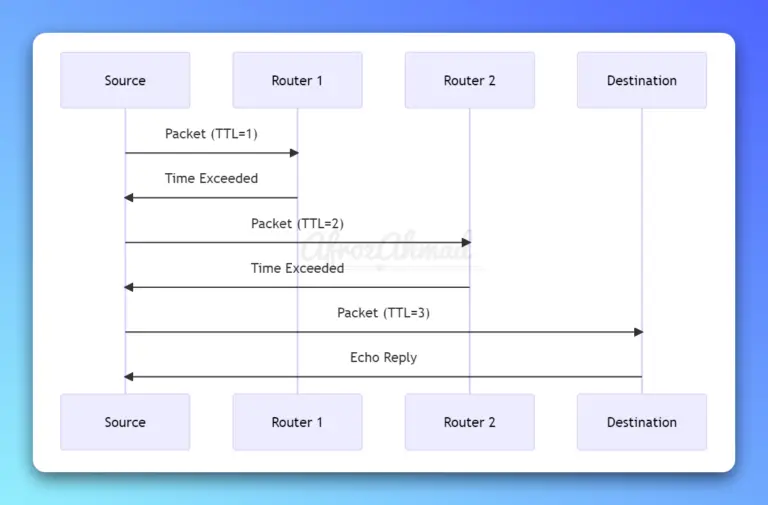
Discover the power of traceroute in this comprehensive guide, covering its purpose, usage across platforms, reading outputs, response types, and network troubleshooting. Unravel the complexities of this essential network diagnostic tool.
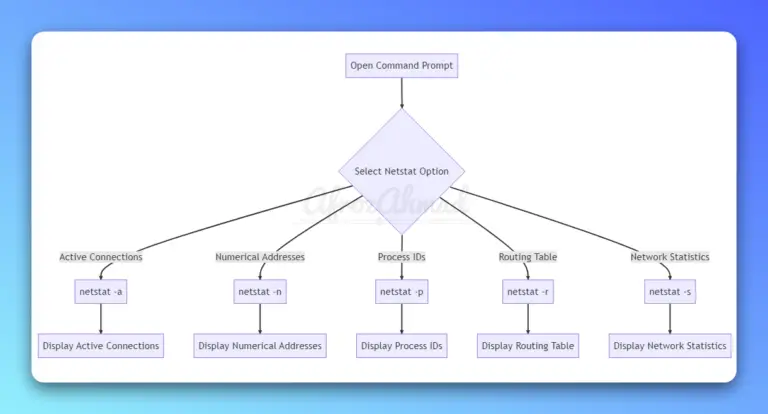
A practical guide to the netstat command across Windows, Linux, and macOS—with quickstart examples, accurate flags, and modern ss/iproute2 equivalents.
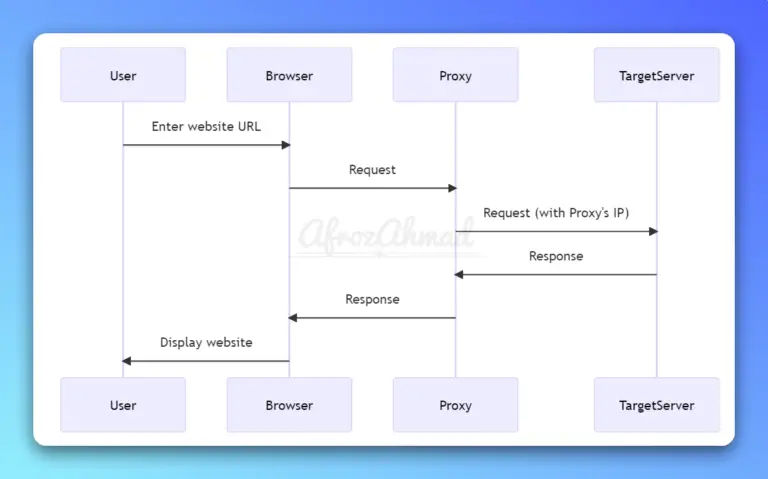
This comprehensive guide will walk you through the ins and outs of proxies, from understanding how they work and their primary purpose to exploring their usage, drawbacks, free, open-source, and paid options and alternatives.
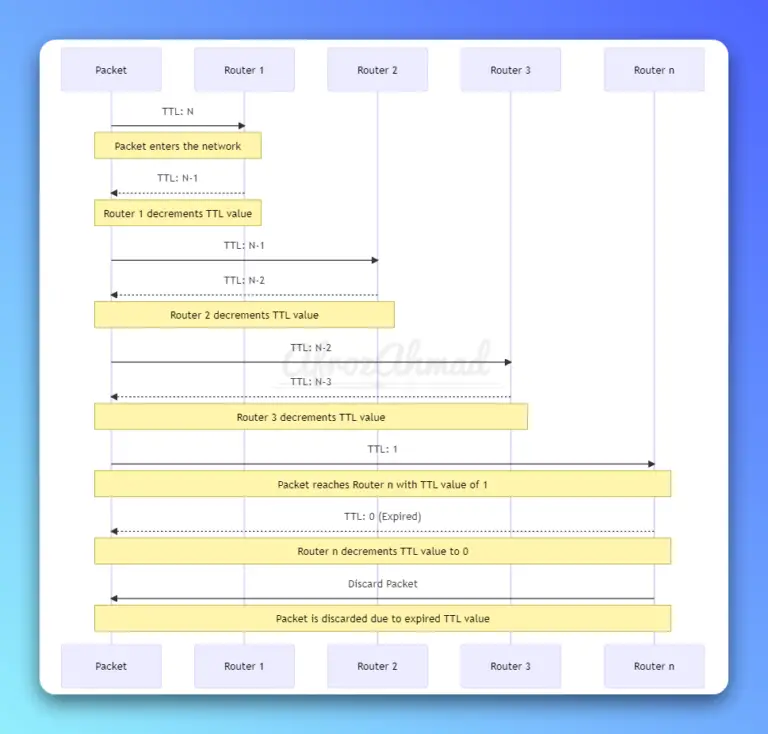
Explore Time To Live (TTL) in computer networking, its purpose, mechanism, implementation in protocols, troubleshooting, real-world examples, and best practices.
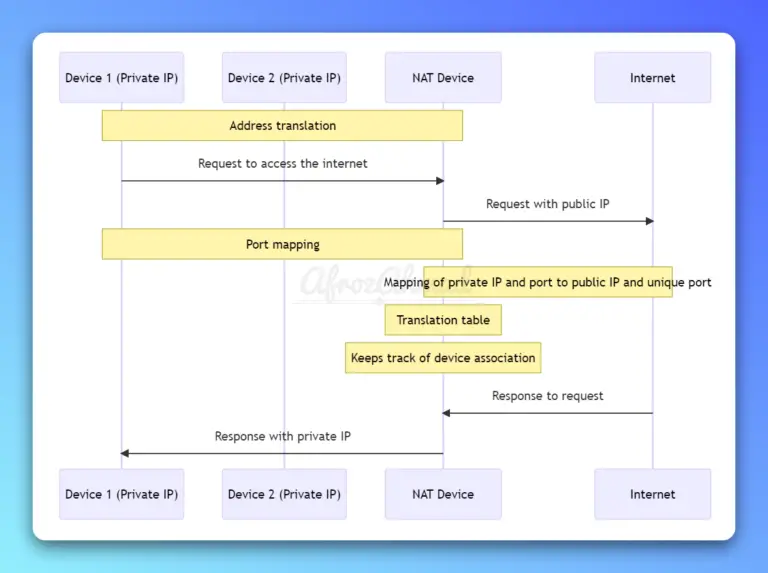
Explore Network Address Translation (NAT) in computer networking, its purpose, types, benefits, limitations, and real-world applications. Understand NAT's role in IPv4 and IPv6 networks.