Latency vs Throughput vs Bandwidth: What’s the Difference?
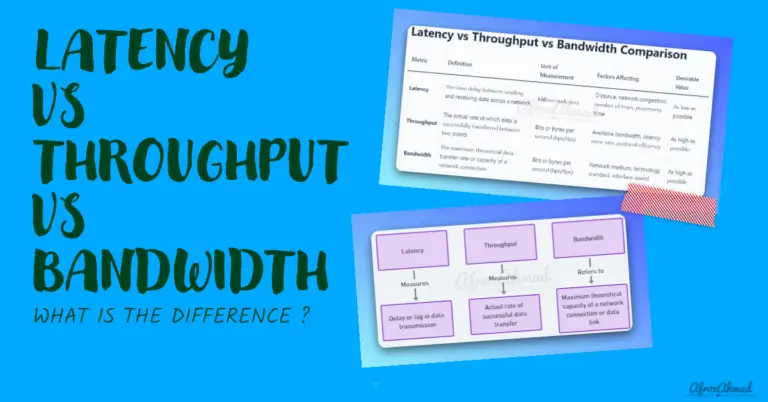
Learn how latency, throughput, and bandwidth differ in computer networking. Compare definitions, metrics, factors, and optimization of these key concepts for managing network performance.

Learn how latency, throughput, and bandwidth differ in computer networking. Compare definitions, metrics, factors, and optimization of these key concepts for managing network performance.

This article will clearly explain what a megabit and megabyte are, how they differ, why it matters, and how to convert between them.

Why is my upload speed so slow? Common culprits include issues with your ISP, old hardware, a weak Wi-Fi signal, or network congestion. We explore these factors in detail and offer actionable solutions to boost your upload speed for a smoother online experience.
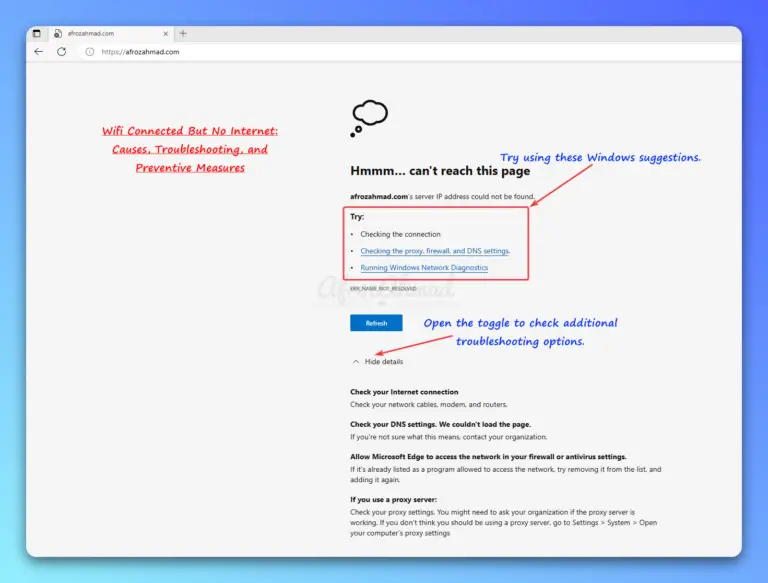
Troubleshoot 'Wifi Connected But No Internet' problems. Discover router resets, ISP checks, DNS tweaks, Windows Network Troubleshooter and more in our guide.

This article will provide the insights you need to determine if 10 Mbps is fast enough for your internet needs.

200 Mbps is fast for most households. It easily handles multiple HD streams and everyday work-from-home tasks, but many concurrent 4K streams, heavy uploads, and cloud gaming can push you toward 300–500+ Mbps—especially on plans with limited upload speed.
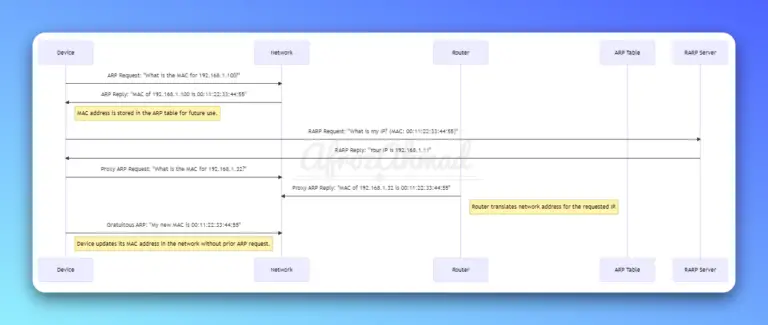
In this article, we delve into the specifics of networking protocols like ARP (Address Resolution Protocol), RARP (Reverse Address Resolution Protocol), Proxy ARP, and GARP (Gratuitous Address Resolution Protocol).
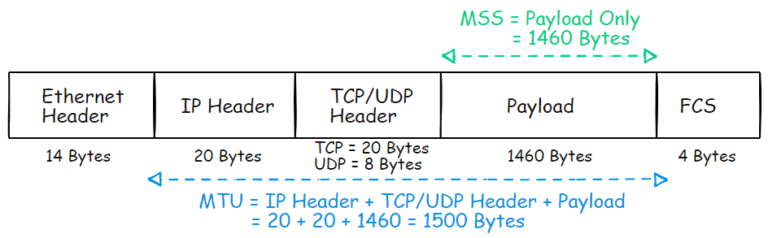
Want to know the difference between MTU vs MSS? Read on to know.
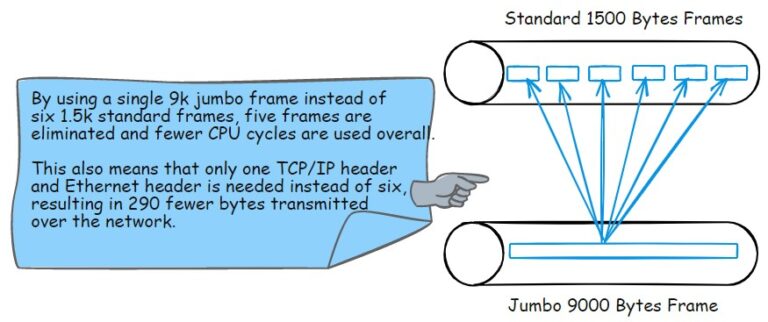
By the end of this article, you should have a clear understanding of MTU, Jumbo Frames, and MSS and how they influence your network's efficiency and performance.
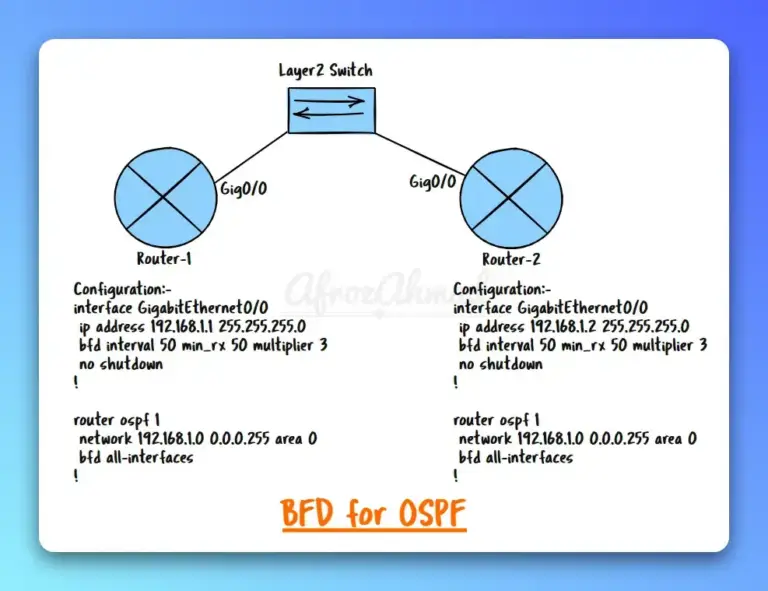
In this article, we will delve into the details of BFD (Bidirectional Forwarding Detection), including how it works, its configuration, use cases, best practices, integration with various networking protocols, and more.